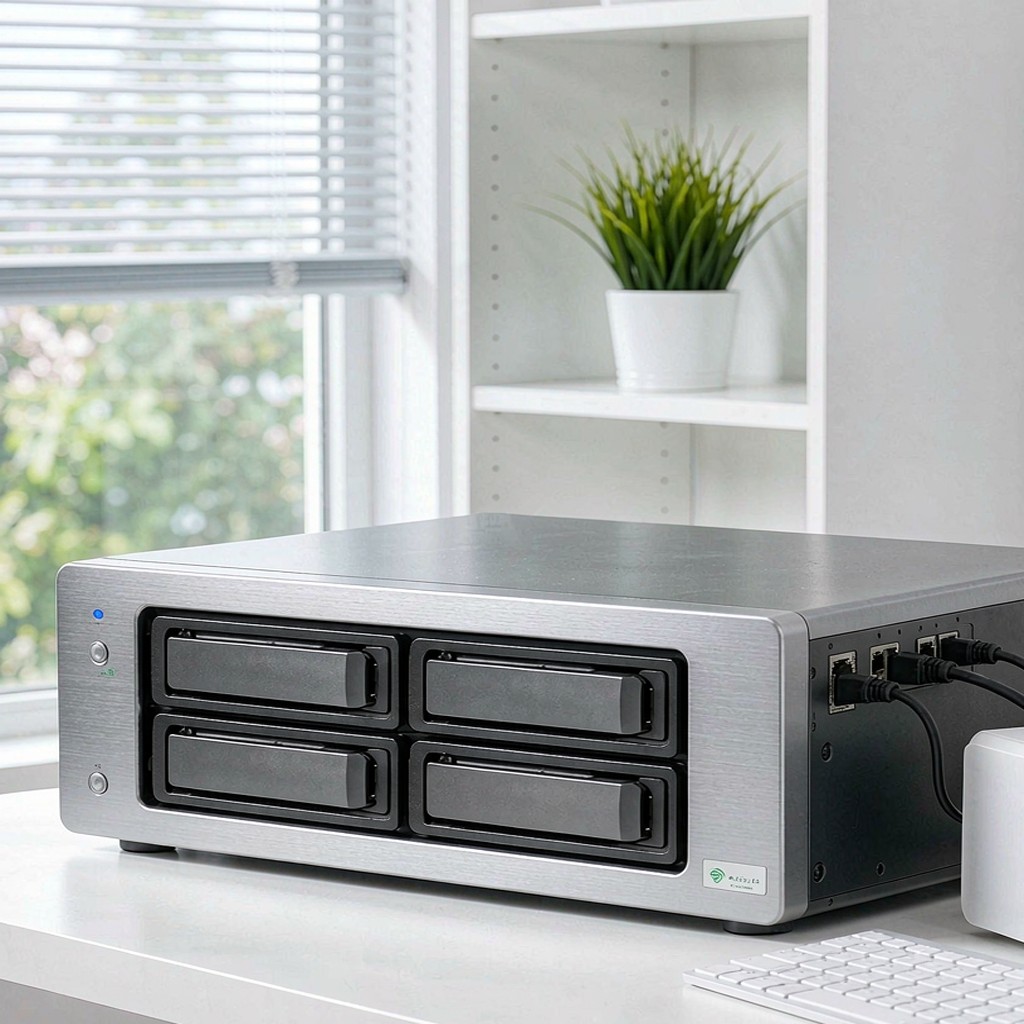
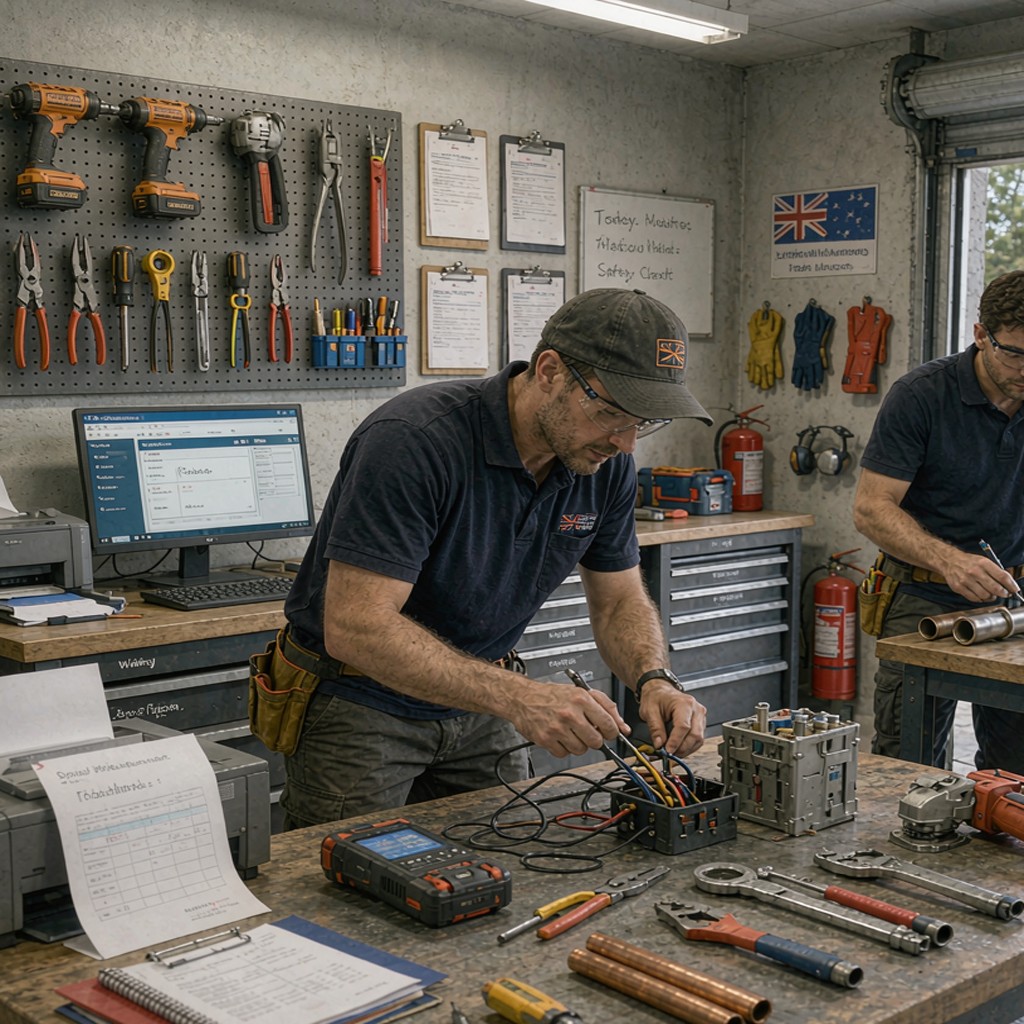
Proactive IT management and offsite backup removed recurring downtime and the associated data loss risk
A local manufacturing and trade business was experiencing frequent IT disruptions that were impacting production schedules and customer deliveries. Their reactive approach to IT problems—waiting for issues to occur before addressing them—had resulted in significant operational inefficiencies and growing frustration among staff.
The company produces specialised equipment for industrial applications and operates on tight deadlines. Any unexpected downtime meant missed deliveries, disappointed customers, and revenue losses that added up quickly over time.
| Client Profile | Established manufacturing and trade business with 30 employees |
|---|---|
| Industry | Industrial Manufacturing & Equipment Supply |
| Production Capacity | 50+ custom orders per month requiring precise scheduling and coordination |
| Existing Issues | Unreliable backup systems, reactive IT support, frequent unplanned downtime, outdated hardware |
| Contract Type | Comprehensive managed IT services with 24/7 helpdesk support |
| Service Level Agreement | 4-hour response time for critical issues, monthly reporting, quarterly site visits |
The manufacturing business faced multiple interrelated IT problems that were compounding into larger operational issues. Their backup system was unreliable—tests revealed that restoring data from recent backups often failed or took hours instead of minutes, meaning in a real emergency they might not be able to recover their business data at all.
IT support was purely reactive; technicians responded to tickets only after problems had already disrupted work. This meant there was no opportunity to fix underlying issues before they caused bigger failures. Several pieces of hardware were approaching end-of-life, but capital expenditure budgets were being consumed by emergency repairs rather than strategic investments in better equipment.
Staff productivity was declining as workers spent increasing amounts of time troubleshooting basic IT issues. The inability to plan IT projects properly because so much time was spent putting out fires was preventing the company from focusing on growth initiatives.
We implemented a comprehensive managed IT solution combined with enterprise-grade backup and disaster recovery capabilities. The goal was to shift from reactive problem-solving to proactive prevention, giving the business peace of mind and predictable IT costs.
Core components of the solution:
The project unfolded over five months with careful coordination to minimise business disruption:
Month 1 — Assessment and Design: Conducted comprehensive inventory of all IT assets, analysed backup gaps, interviewed department heads to understand priorities, and designed the backup architecture along with service level agreements.
Months 2-3 — Core Deployment: Installed and configured the backup infrastructure, connected all systems for automated data capture, set up monitoring alerts, and established helpdesk communication channels with the client team.
Month 4 — Verification and Tuning: Ran extended backup cycles to capture historical data, verified recovery procedures through simulated scenarios, fine-tuned monitoring thresholds, and trained staff on how to use the helpdesk effectively.
Month 5 — Knowledge Transfer and Handover: Documented all configurations and procedures, conducted formal training sessions for IT personnel, established ongoing service review cadence, and confirmed satisfaction with all deliverables.
The transition to managed IT services delivered measurable improvements across multiple areas:
The business now sleeps easier knowing their data is protected and can be recovered within hours even in worst-case scenarios. Proactive monitoring catches potential issues before they cause disruption, and the dedicated helpdesk resolves problems quickly with clear communication. Internal IT staff spend more time supporting business initiatives rather than fixing broken equipment.
"We thought we'd just be paying someone to answer phones when things broke. Instead, we now have true IT support that prevents problems before they happen. It's been the best investment we've made in several years."
Operations Director, Precision Manufacturing Pty Ltd