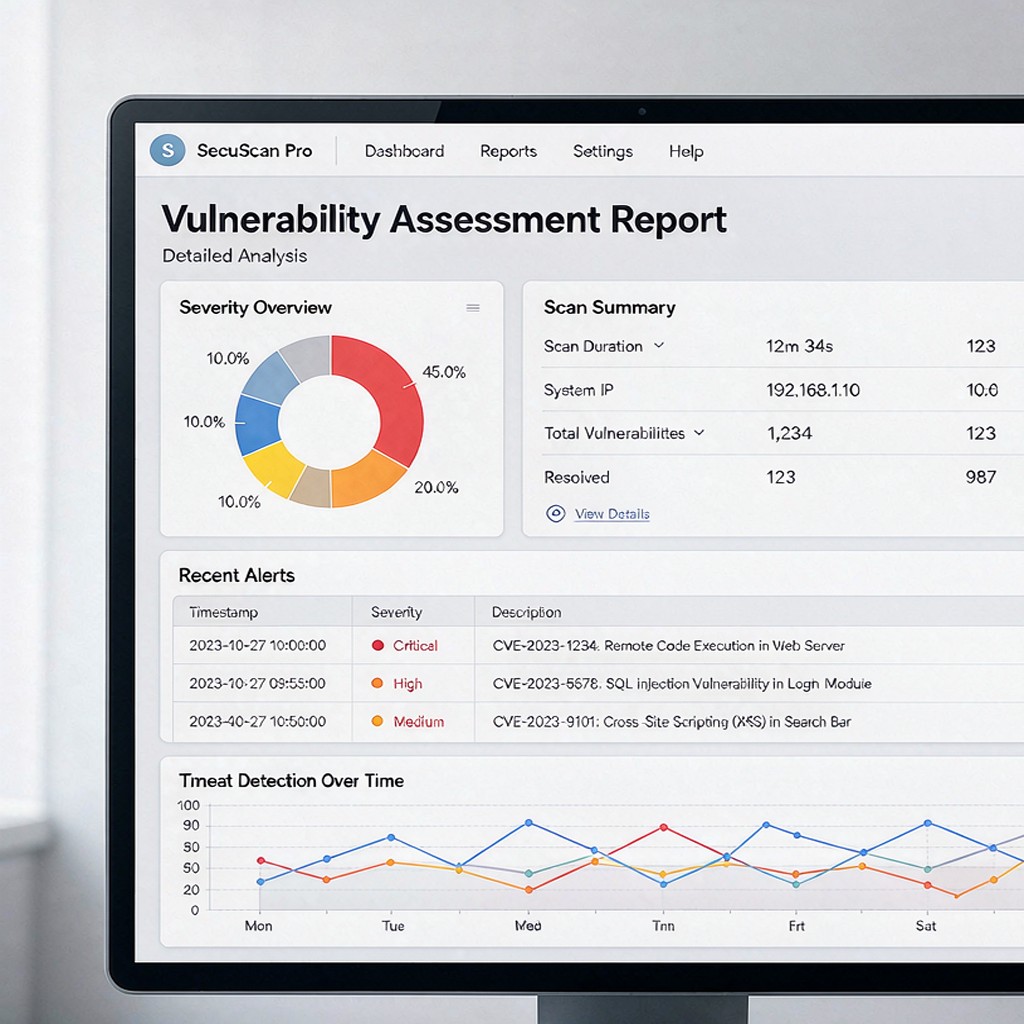

Advanced threat protection and secure remote access enabled flexible working while maintaining strict data protection standards
A regional law firm with offices in Brisbane and the Gold Coast needed to modernise their cybersecurity posture while enabling secure remote work for their attorneys. The legal profession faces uniquely stringent data protection obligations, and any breach could result in severe regulatory penalties, reputation damage, and loss of client trust.
The firm had recently expanded its practice areas and hired additional staff, making traditional perimeter-based security insufficient for protecting their confidential client information.
| Client Profile | Regional law firm with 25 lawyers and paralegal support staff |
|---|---|
| Industry | Legal Services — Corporate & Commercial Law |
| Clients Served | 50+ corporate and individual clients with highly confidential matters |
| Regulatory Requirements | Australian Privacy Principles, Solicitors Regulation requirements, client confidentiality obligations |
| Previous Security Posture | Basic antivirus, no centralised threat monitoring, weak password policies, no encryption |
| Target Outcome | Enterprise-grade security, compliant remote access, demonstrated due diligence for accreditation purposes |
The law firm recognised that their existing security measures were inadequate for the threats they faced and the obligations they owed to clients. A survey of their current environment revealed multiple high-risk gaps:
Most critically, remote access was accomplished using consumer-grade VPN solutions that lacked logging and offered no intrusion detection. Attorneys working from home networks—the least secure network environments—had essentially unrestricted access to all firm resources once connected. Password policies were weak and enforcement inconsistent, making credential compromise likely. There was no endpoint encryption, meaning stolen laptops represented lost data with no recovery mechanism. Email lacked attachment scanning and sender verification, leaving the organisation vulnerable to phishing attacks that regularly hit general businesses.
When one attorney asked about their security posture ahead of seeking professional accreditation, the firm realised they had little defensible evidence of taking reasonable care to protect client information. Without demonstrating adequate security controls, the attorney couldn't obtain accreditation, limiting their ability to represent certain types of clients.
We implemented a comprehensive cybersecurity framework aligned with Australian Information Security Manual (ISM) controls, delivering enterprise-grade protection suitable for regulated industries:
Endpoint Protection Platform: Deployed next-generation antivirus with behavioural detection, application whitelisting, and device control features to prevent unauthorized software installation. All endpoints enrolled in centralised management console for policy enforcement and update deployment.
Advanced Threat Protection: Configured Microsoft Defender for Business with email and cloud app security, providing anti-phishing, attachment sandboxing, malware detection, and automated remediation for compromised accounts.
Secure Remote Access: Replaced consumer VPN with Zero Trust Network Access (ZTNA) solution that authenticates users and devices before granting access to specific applications rather than entire networks. Enforced multi-factor authentication and device health checks including OS version, encryption status, and antivirus presence.
Data Loss Prevention: Implemented DLP policies that classify sensitive documents containing client names, financial data, or privileged communications and restrict copying to USB drives or external websites. Added watermarking to confidential documents displayed on screens.
Identity and Access Management: Consolidated all user credentials into Microsoft Entra ID (formerly Azure AD) with role-based access controls, enforced password complexity and history requirements, mandated multi-factor authentication across all services, and set up conditional access policies that block risky sign-ins.
Security Awareness Training: Delivered interactive training modules covering phishing recognition, safe browsing habits, social engineering awareness, and incident reporting procedures. Scheduled quarterly refresher courses to reinforce good habits.
Given the sensitivity of the work and the need for continuous client service, we planned the rollout carefully over four months:
Month 1 — Architecture and Pilot: Designed security architecture, selected and provisioned all products, configured initial policies, then deployed pilot environment with five volunteers who tested features and reported back usability concerns.
Month 2 — Phased Rollout: Deployed endpoint protection to all workstations, then rolled out secure remote access to half the staff while the other half continued using existing methods. Collected feedback and made necessary configuration adjustments.
Month 3 — Complete Deployment: Finished remote access rollout, enabled data loss prevention, consolidated identity management, and began mandatory security training for all staff.
Month 4 — Validation and Accreditation Support: Conducted vulnerability scanning and penetration testing, reviewed logs and audit trails, prepared documentation for accreditation body, and assisted with successful submission.
The cybersecurity transformation delivered both immediate risk reductions and long-term capability improvements:
The firm now demonstrates demonstrable due diligence in client data protection, strengthening their market position and competitiveness. Attorneys can work flexibly from anywhere without worrying about security compromises. And perhaps most importantly, client information remains protected against the sophisticated attackers targeting the legal industry.
"This was essential for our business development—we literally couldn't take on higher-value clients without proper security accreditation. But beyond that, it gave us peace of mind knowing our clients' data is actually safe."
Senior Partner, Richardson & Partners Lawyers